Shielding our futures
D’harawal stories brought to life through dance, film and creative collaboration
The Cumberland Plain Research Program is proud to support a series of new non-traditional research outcomes (NTROs) developed through the project Shielding Our Futures: Storytelling with Ancestral and Living Knowledges (Garuwanga-Waduguda-Narinya’o’Birad – Ngabai Yillimung’o’ngun).
This work sits at the heart of our program’s commitment to strengthening Aboriginal knowledge and practices and supporting culturally informed approaches to conservation and restoration across the Cumberland Plain.
Creative collaboration on D’harawal Country
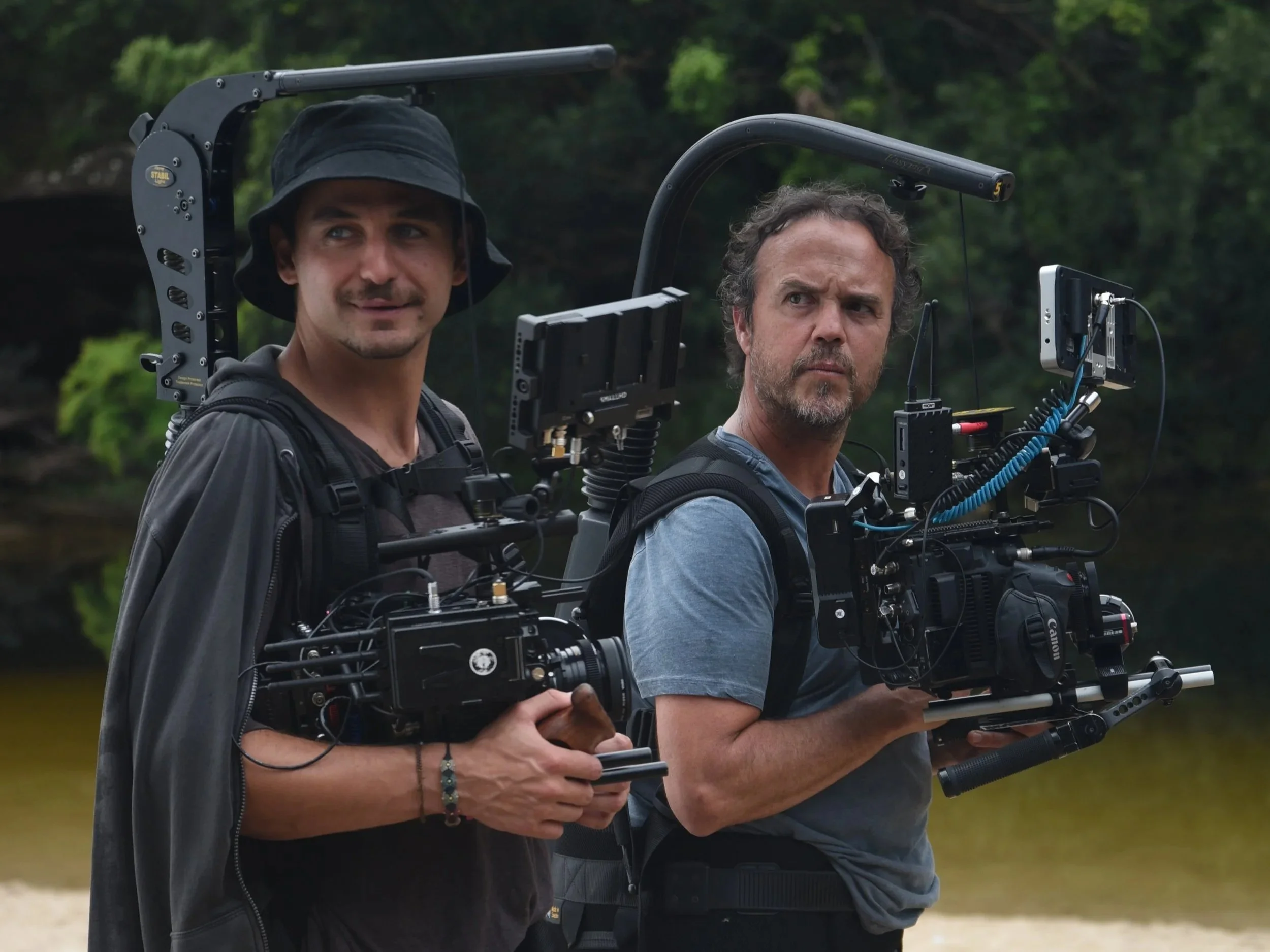
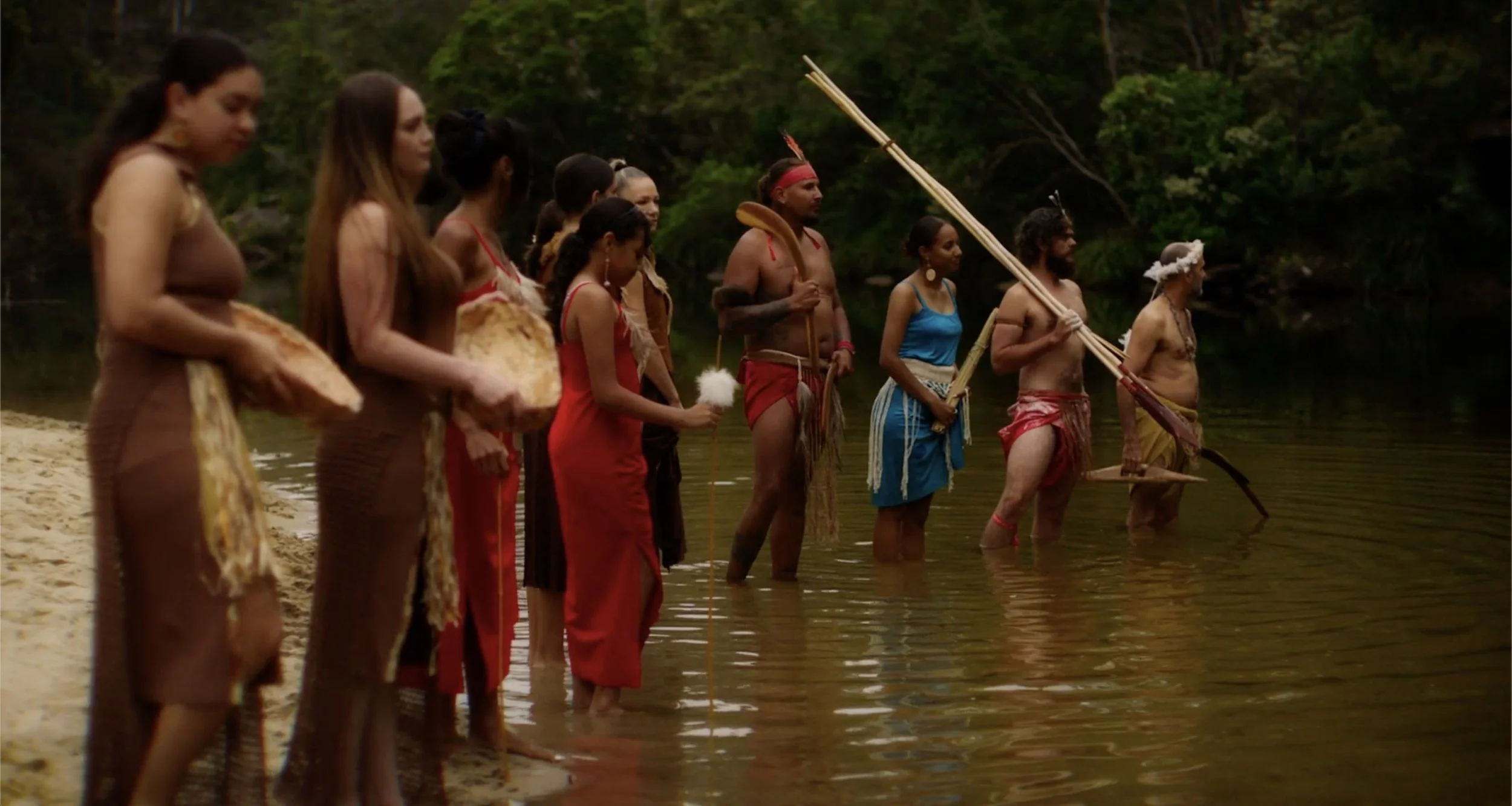
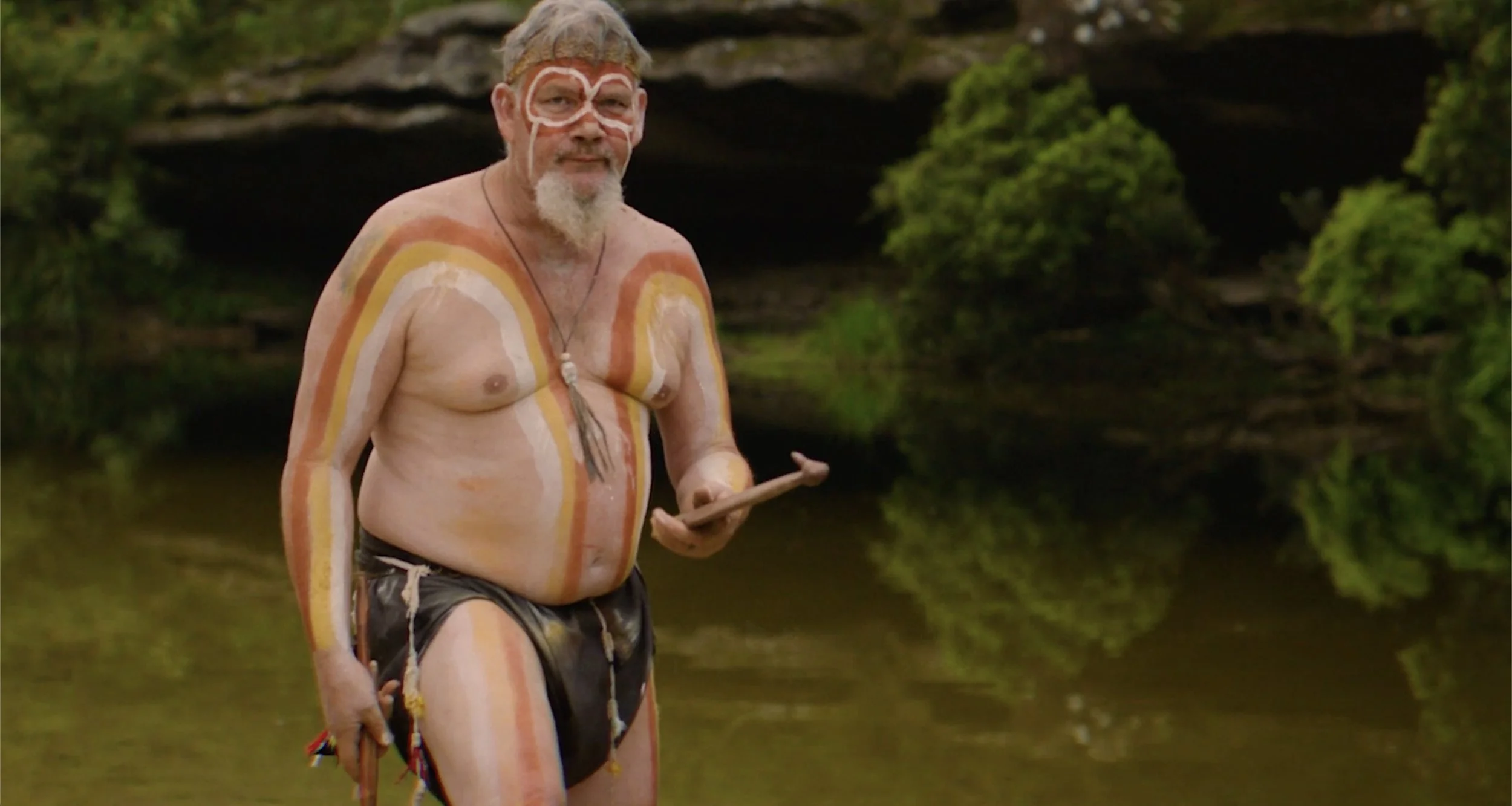
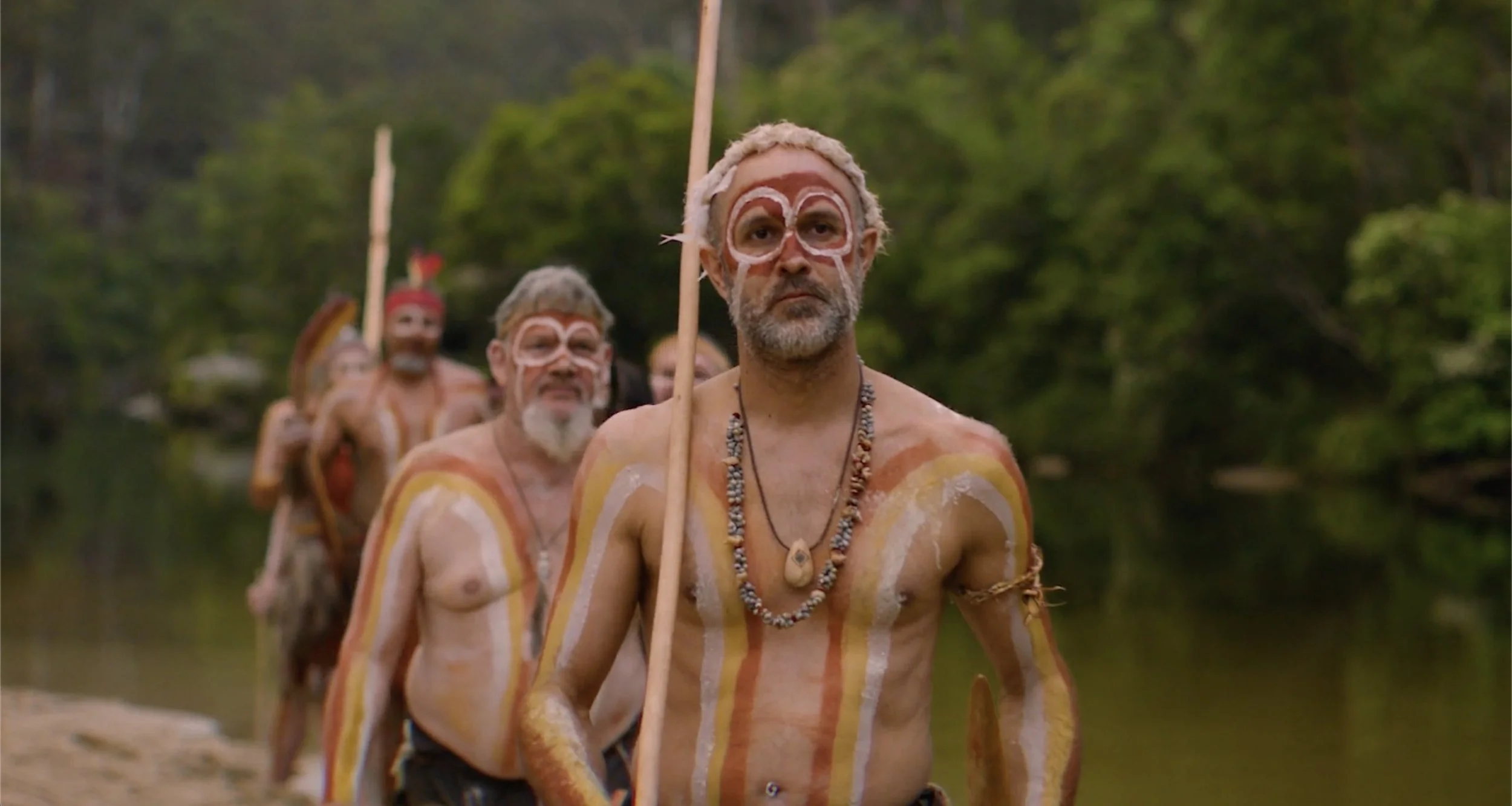
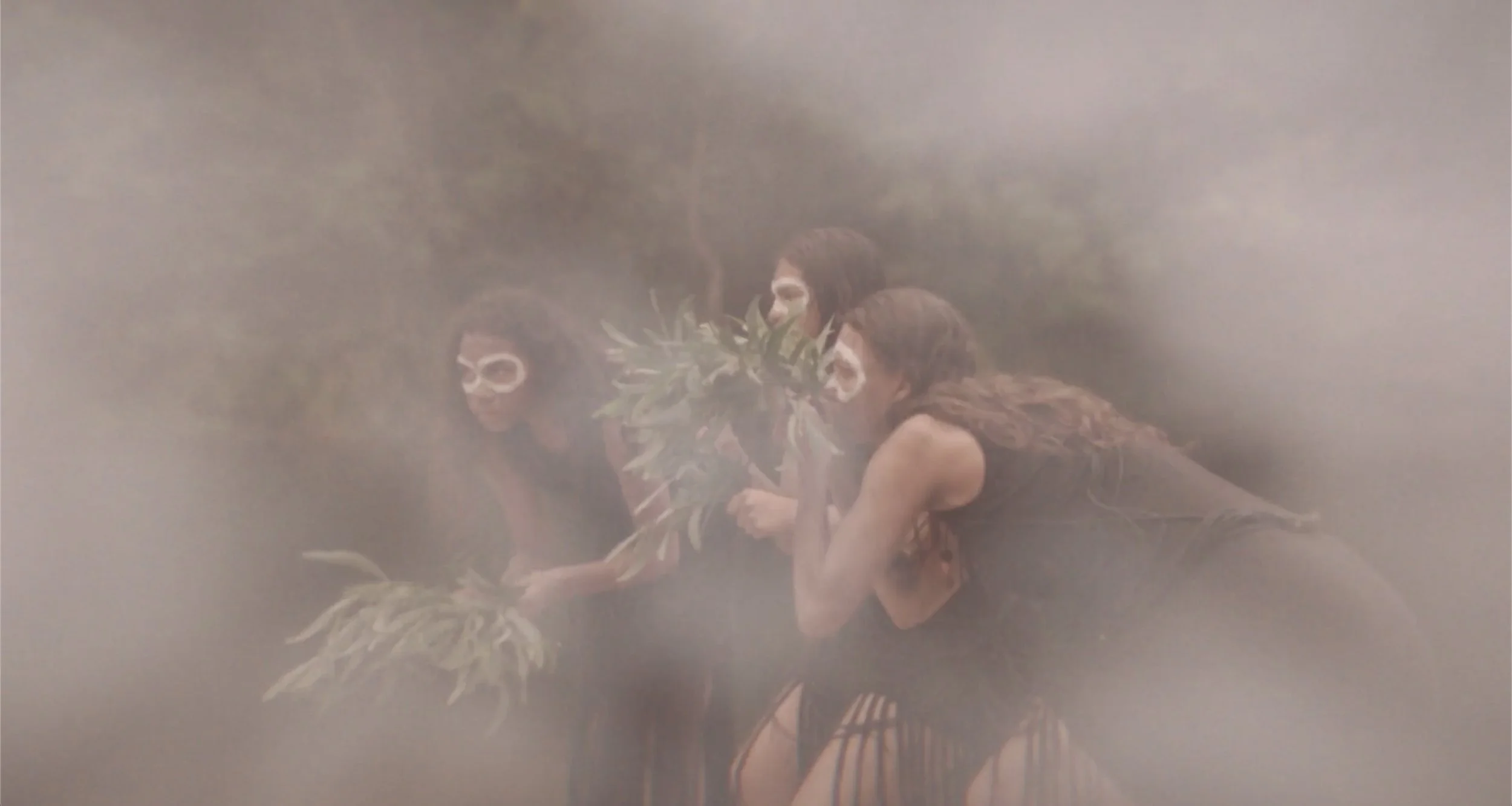
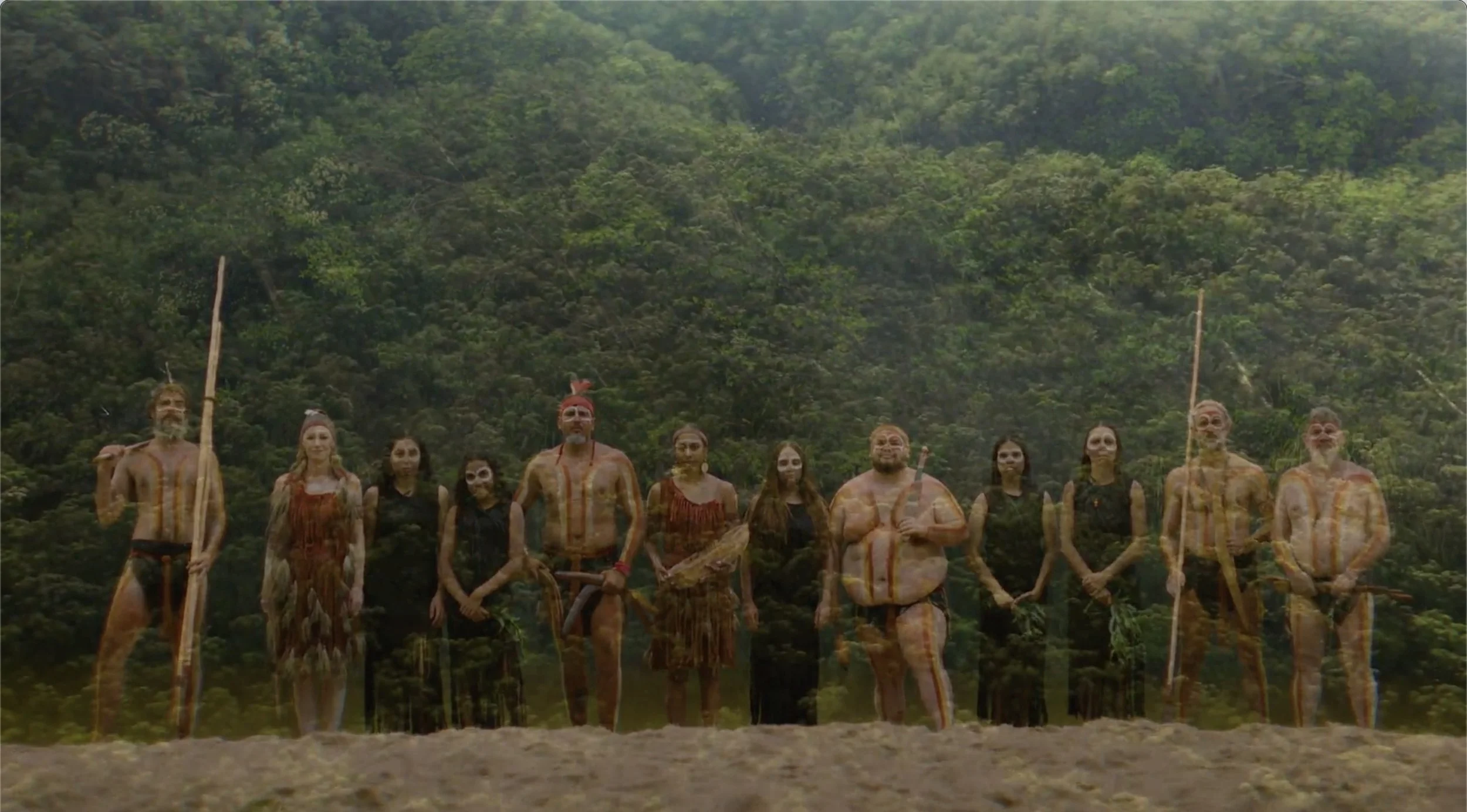
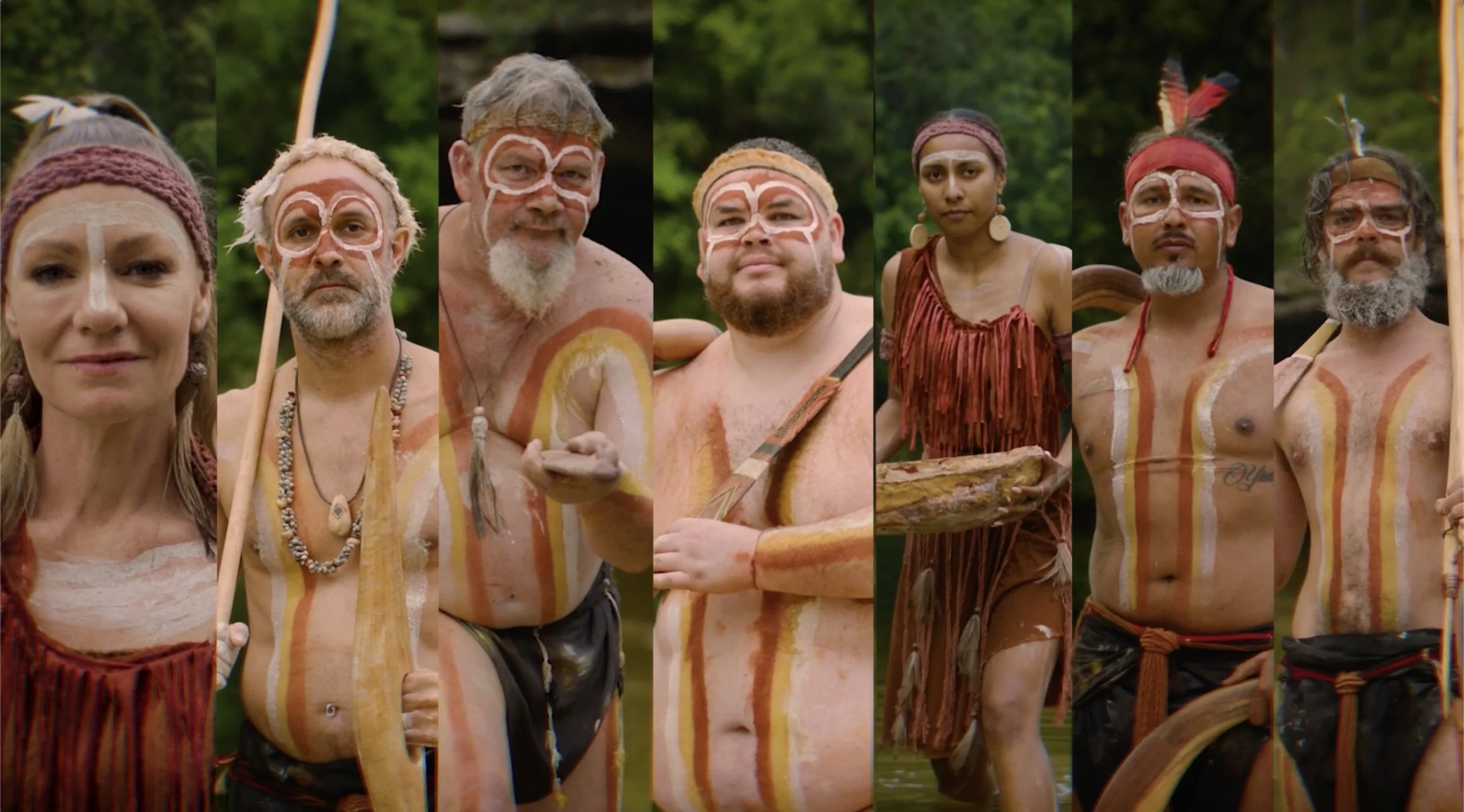
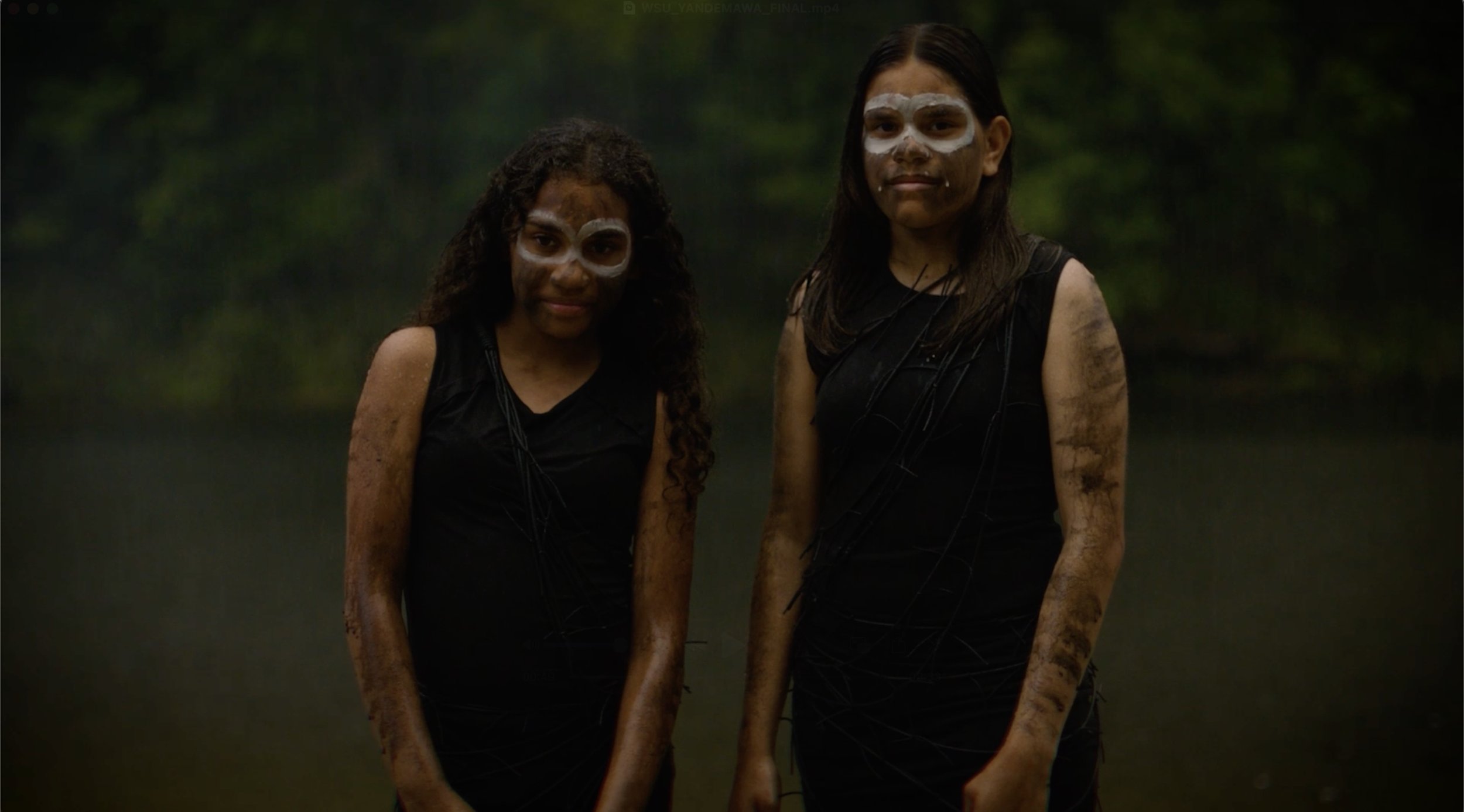
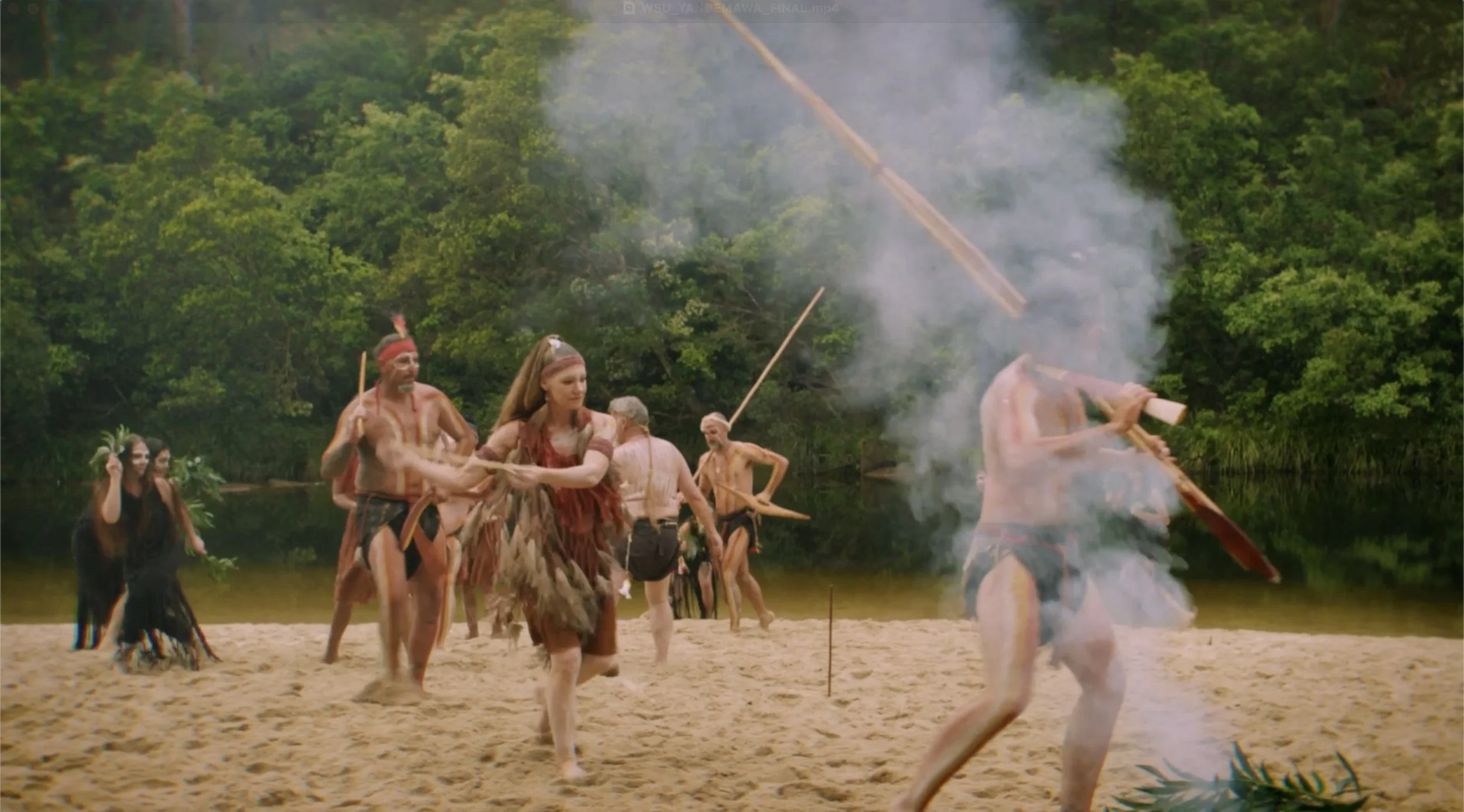
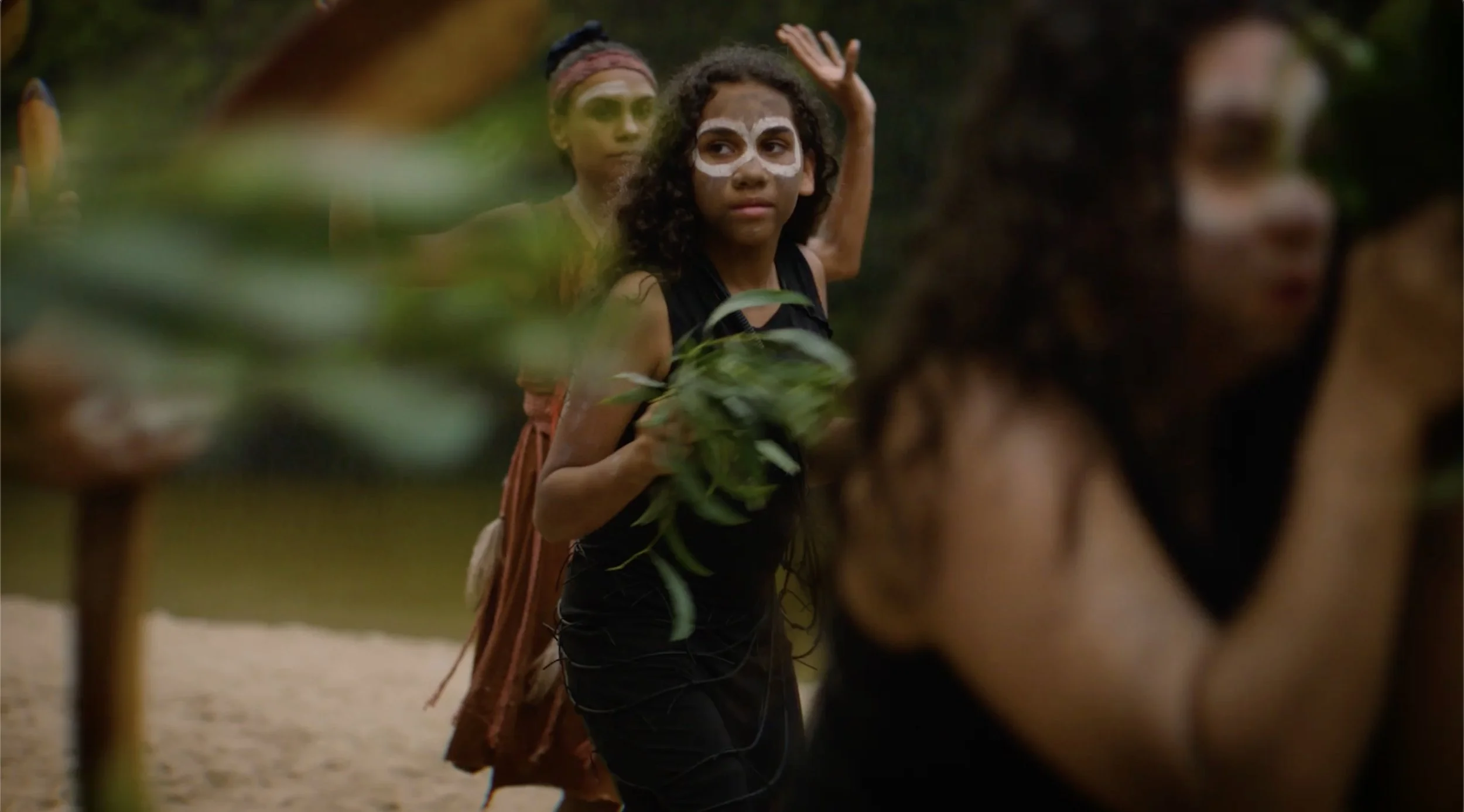
Working closely with Professor Gawaian Bodkin-Andrews (D’harawal), Creative Producer Kate Richards, and Indigenous-led production house Studio Gilay, the project brought together Songman and choreographer Matthew Doyle (Muriwari/Yuwalaraay), choreographer Peta Strachan (Dharug) and director Jake Duczynski (Gumeroi/Mandandanji) to produce seven NTROs that bring D’harawal stories and knowledges into visual, embodied forms.
Filmed on unceded D’harawal Country, the NTROs include dance interpretations and long-form narrated story films for Yandel’ora (The Land of Peace Between Peoples) and Yandel’mawa (The Seven Peacekeepers), as well as a D’harawal greetings and Welcome to Country video and short explainers on the project’s research and creative methodologies.
Why NTROs matter
As recognised research outputs, NTROs expand how research is communicated and understood. They support sensory, relational and culturally grounded ways of sharing knowledge, foregrounding process, dialogue and co-creation rather than linear argument. This is particularly important for research engaging with Indigenous knowledge systems, community-led storytelling and under-represented voices.
Through dance, film and collaborative creative practice, these NTROs enable knowledge to be shared in ways that are accessible, emotionally resonant and grounded in Country.
Experience the stories
Several of these films now feature in the interpretation at Western Sydney University’s First People’s Garden, located on D’harawal land at the Campbelltown campus.
The Garden is a tribute to the Ancestral Knowledges and cultural heritage of the D’harawal peoples. This land, once known as Yandel’ora holds deep significance, reflected in the Garden’s design, artwork and stories created in collaboration with the D’harawal Traditional Descendants and Knowledge Holders Circle.
Together, the films share teachings of peace, responsibility, ecological care, and the enduring relationship between people and Country.
Why this matters for the Cumberland Plain
These NTROs deepen our understanding of:
ecological relationships embedded within D’harawal Law/Lore
culturally guided approaches to land management
the significance of plants, animals, and places within the southern Cumberland Plain
how Indigenous knowledge can guide contemporary restoration and sustainability practice
This directly contributes to our Stage 1 objectives, including:
Strengthening Aboriginal knowledge and practices
Reviving and sharing cultural stories and language
Supporting culturally informed site prioritisation and ecological restoration
Engaging with communities and knowledge holders
Funding and Acknowledgements
The Cumberland Plain Research Program is pleased to have co-funded part of this work through the 2023 Cumberland Plain Research Grant, which supported storytelling and Circle time for recording D’harawal knowledge.
The project was delivered as part of the Australian Research Council–funded Shielding Our Futures project, led by CI Professor Gawaian Bodkin-Andrews, with creative production led by Kate Richards.