
Stories
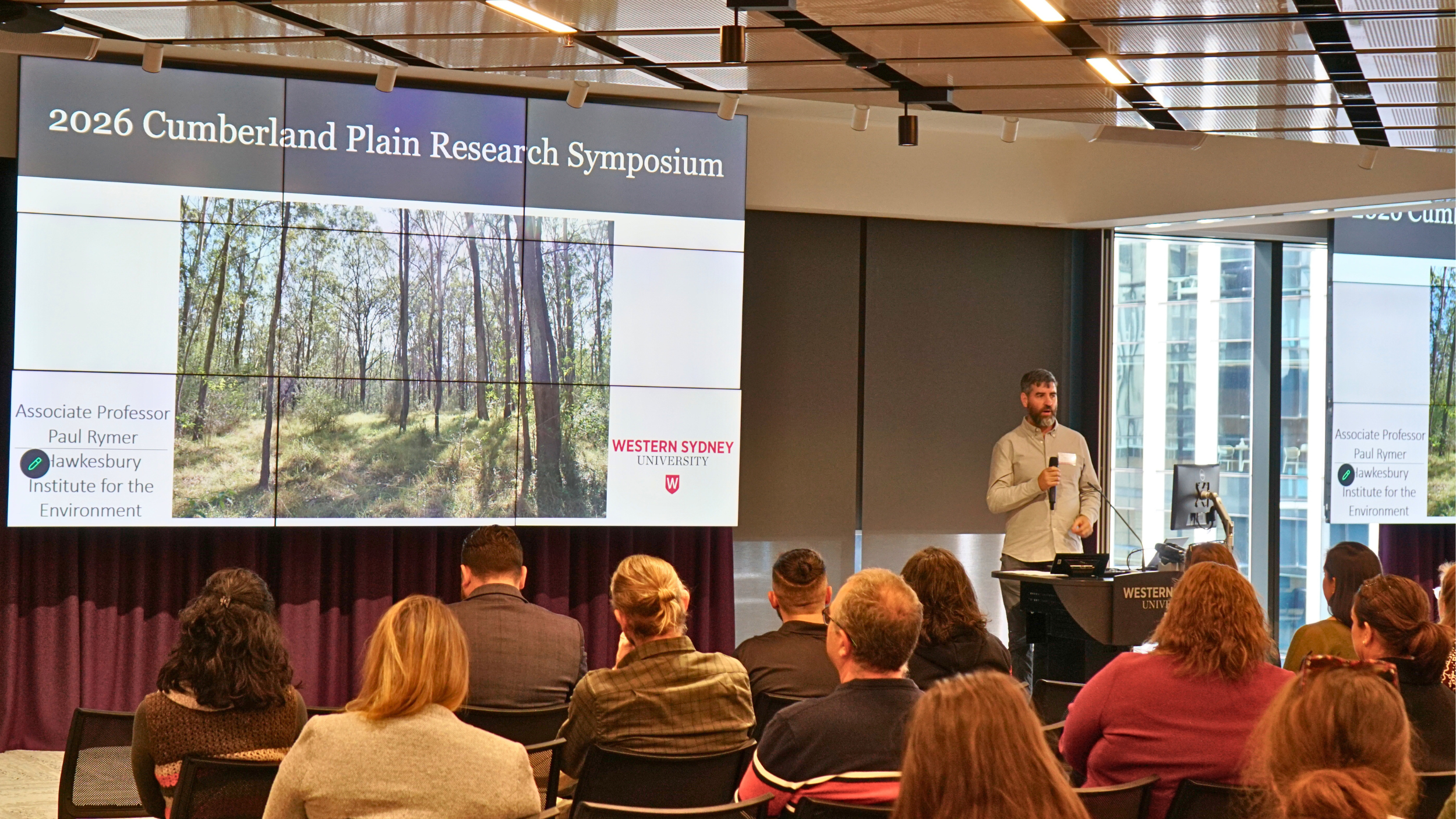
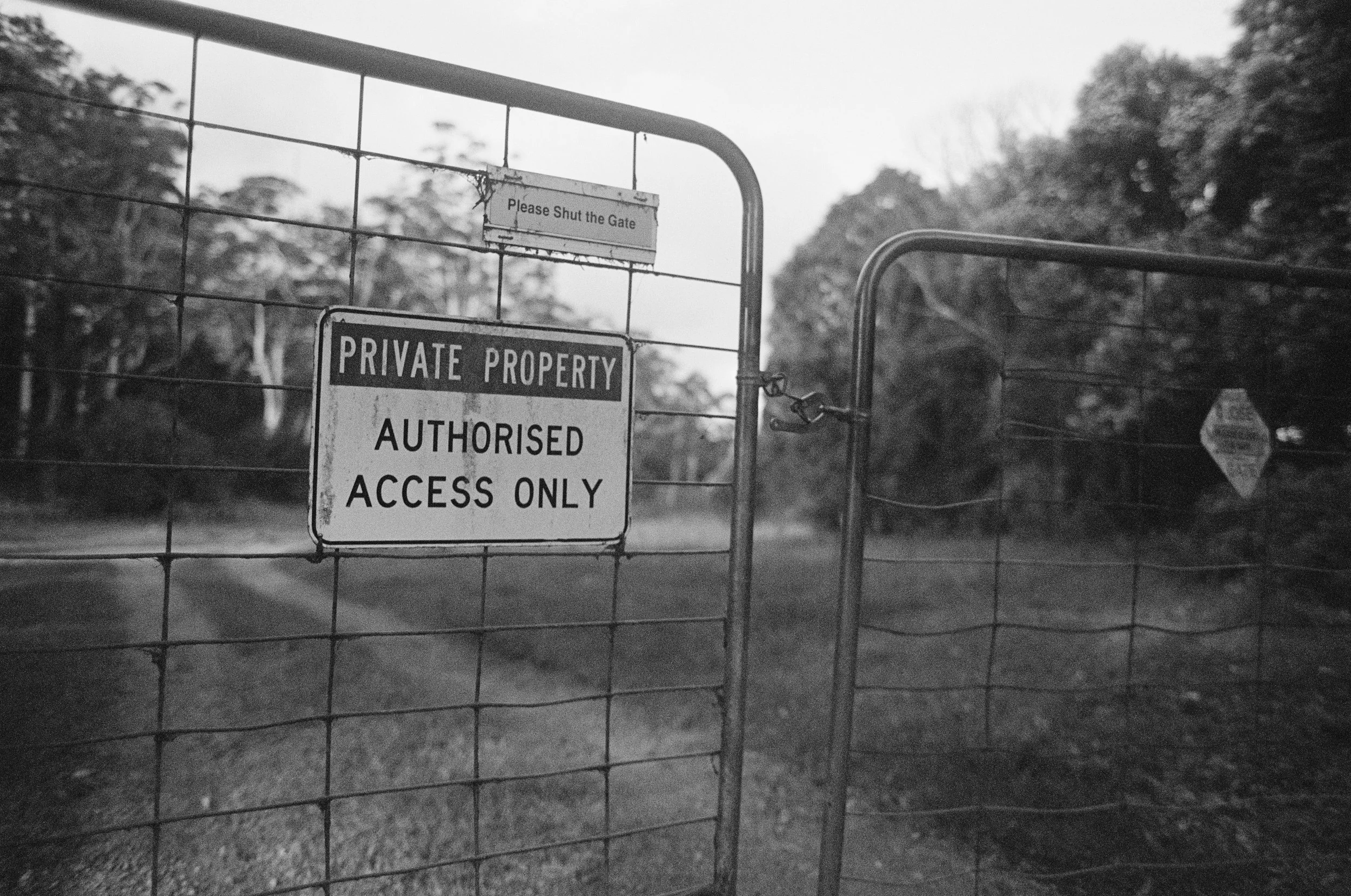
What does patterns of enrolment in formal private land conservation in NSW teach us and how can we improve uptake?
Protecting biodiversity on private land involves more than formal conservation agreements alone. Long-term outcomes depend on participation, flexibility and landscape connectivity working together. New research across the program is helping strengthen how private land conservation programs are understood and applied, supporting more informed conservation planning and delivery.
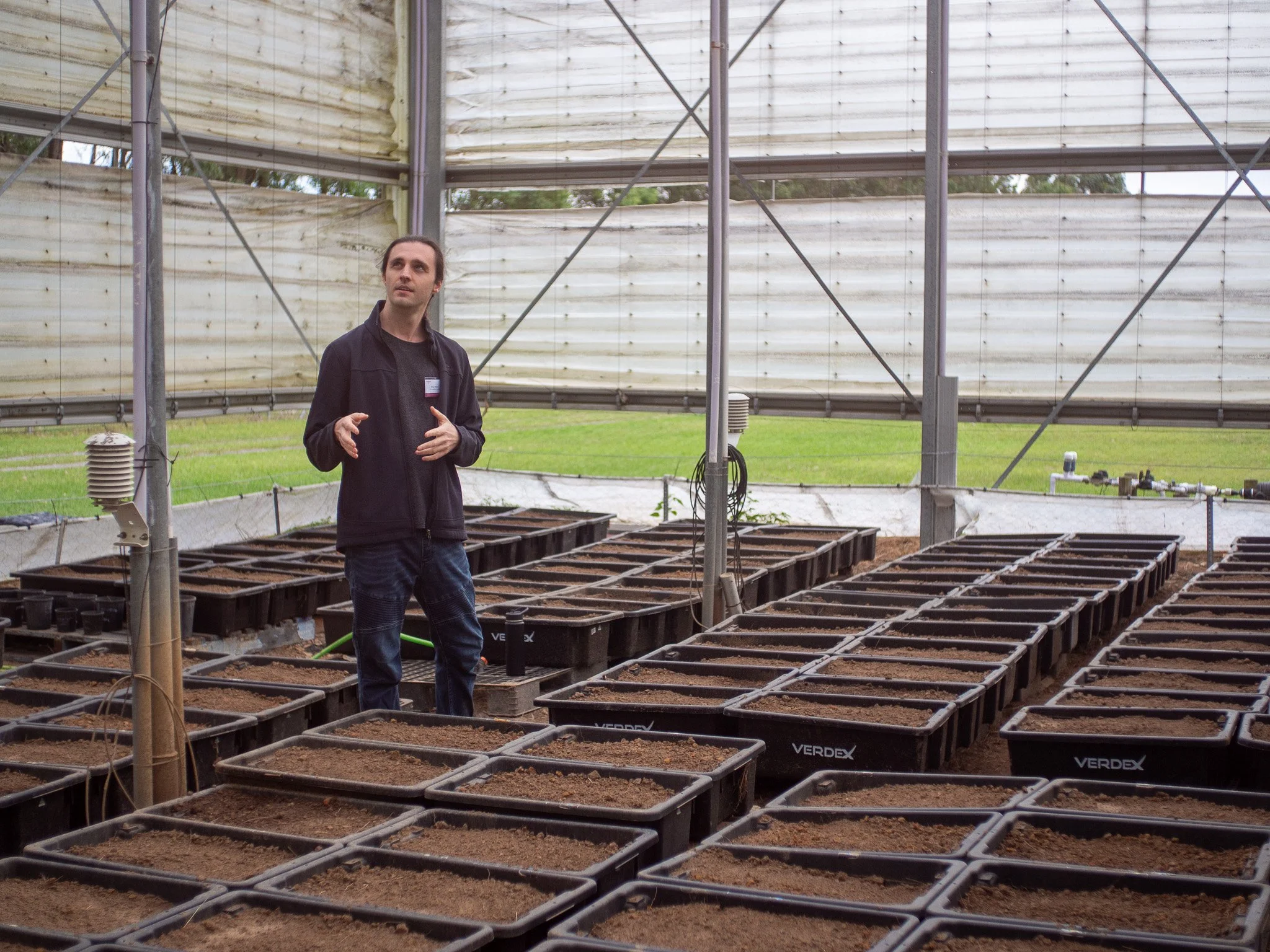
From soil to canopy: rethinking how we monitor woodland recovery
Restoring woodland ecosystems involves more than planting trees. True recovery depends on soil processes, structural complexity and biodiversity responses working together. New research across the program is helping strengthen how these layers are monitored and interpreted, supporting more informed conservation and restoration planning.

Shielding our futures
New NTROs produced with D’harawal Elders, artists and researchers reveal the cultural teachings embedded in Yandel’ora and Yandel’mawa. Co-funded by the CPRP, these works support knowledge sharing and culturally informed restoration across the Cumberland Plain.

Adaptive management can boost conservation outcomes on private land
Adaptive management can help conservation agencies navigate uncertainty in private land programs. New research by PhD candidate Emmanuel Ugwu shows how understanding landholder decisions is key to achieving stronger ecological outcomes.
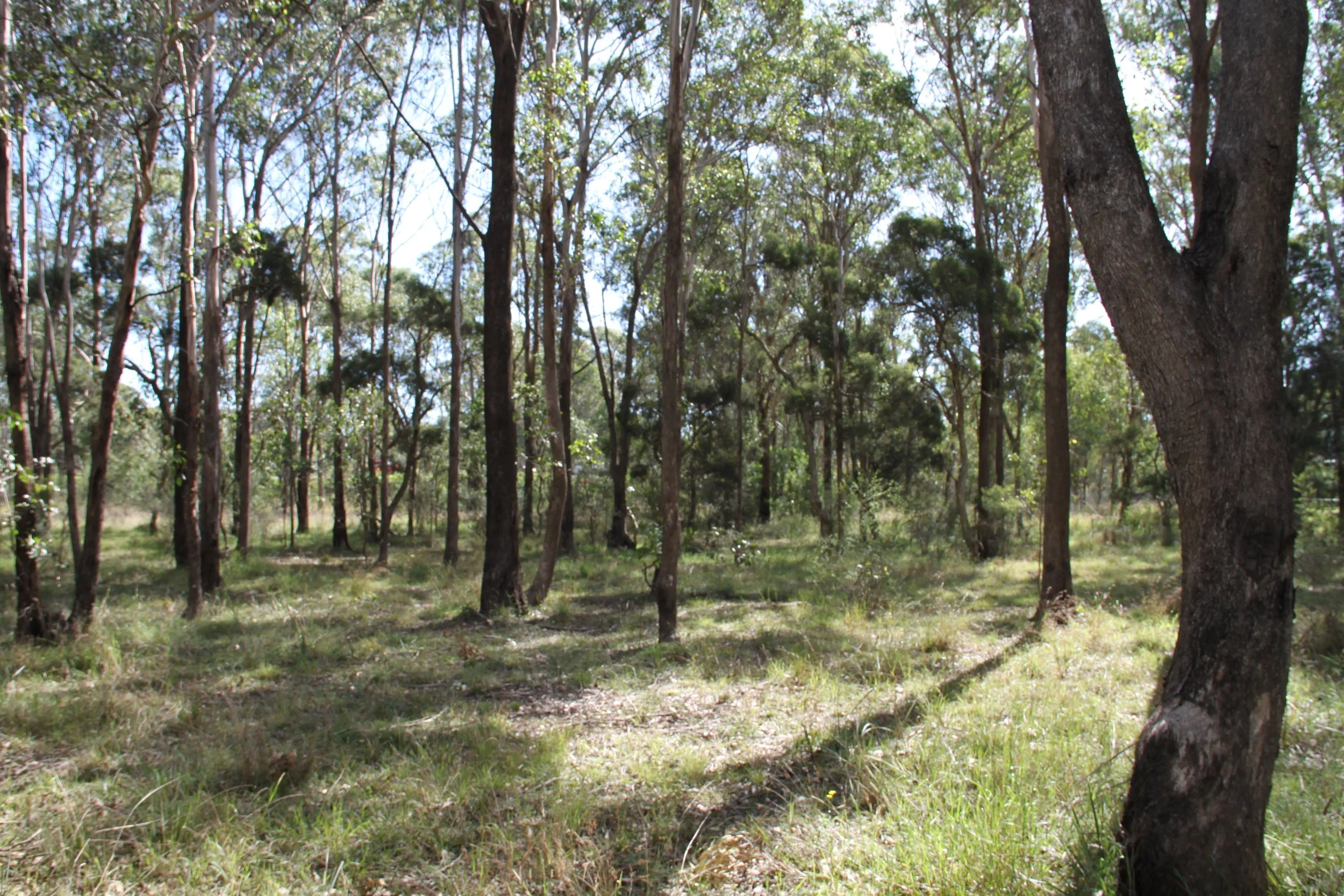
Diverse tree canopies help native herbs thrive in the Cumberland Plain Woodland
Drawing on data from 93 long-term monitoring plots, this study highlights how canopy diversity influences understorey health in the critically endangered Cumberland Plain Woodland, guiding evidence-based conservation and land management decisions.

Learning from Victoria’s Grasslands: Insights from the Australasian Seed Science Conference
In September 2025, Associate Professor Paul Rymer attended the Australasian Seed Science Conference in Victoria, sharing early RE-Clim results and learning from long-term grassland restoration trials to inform future work on the Cumberland Plain.

How microhabitat conditions shape seedling emergence in the Cumberland Plain Woodland
PhD candidate Chaminda Alahakoon shared new findings at ASSC 2025 on how microhabitat factors such as canopy cover, leaf litter and local climate shape seedling establishment in grassy woodlands.
Understanding germination niches to guide climate-resilient restoration
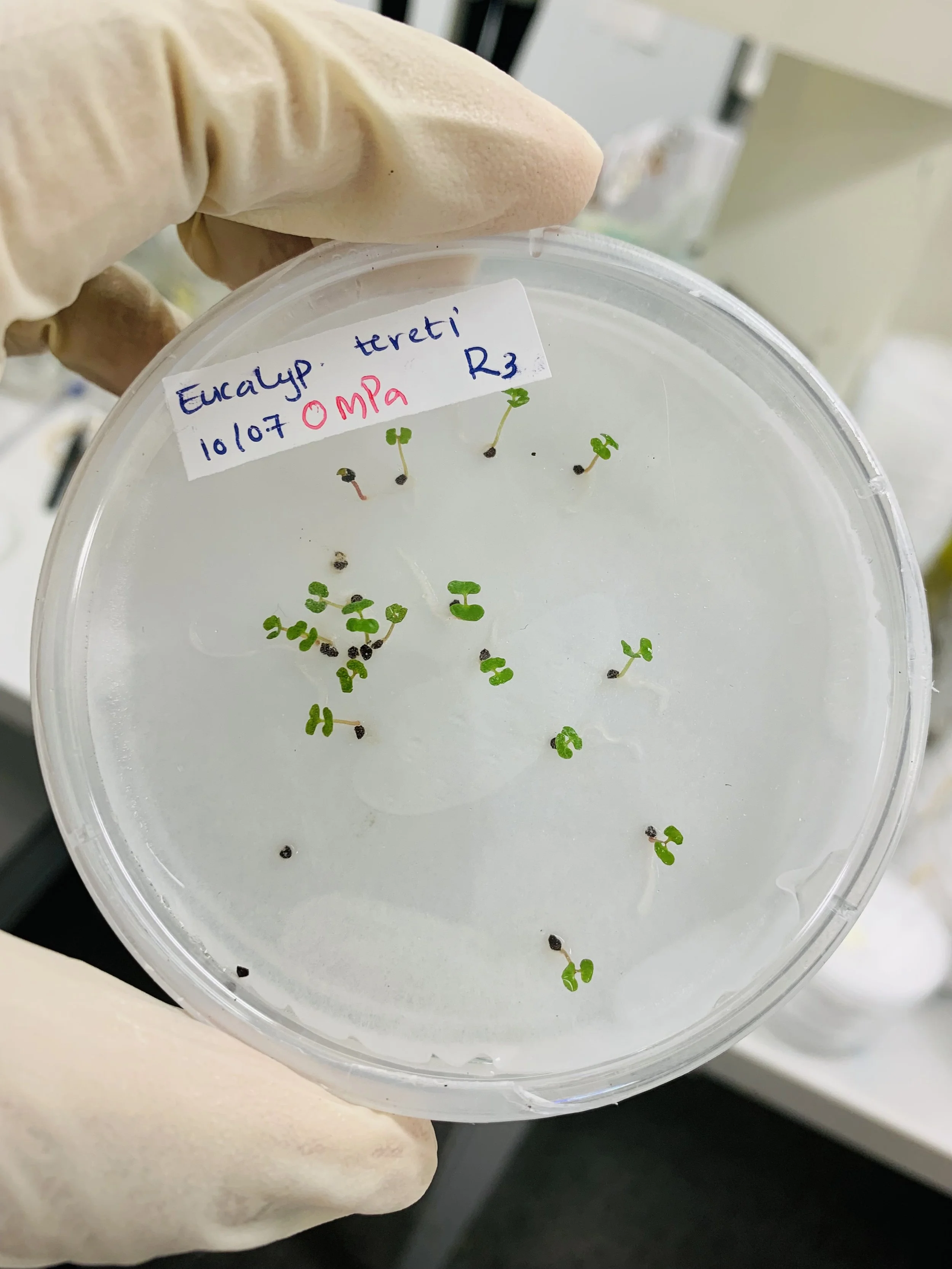
PhD candidate Chaminda Alahakoon presented new research at ISSS 2025 showing how temperature and water stress shape germination niches for native species in Western Sydney, offering important insights for climate-resilient restoration.

Restoring Country and Ecosystems: Highlights from the Cumberland Plain Restoration Workshop
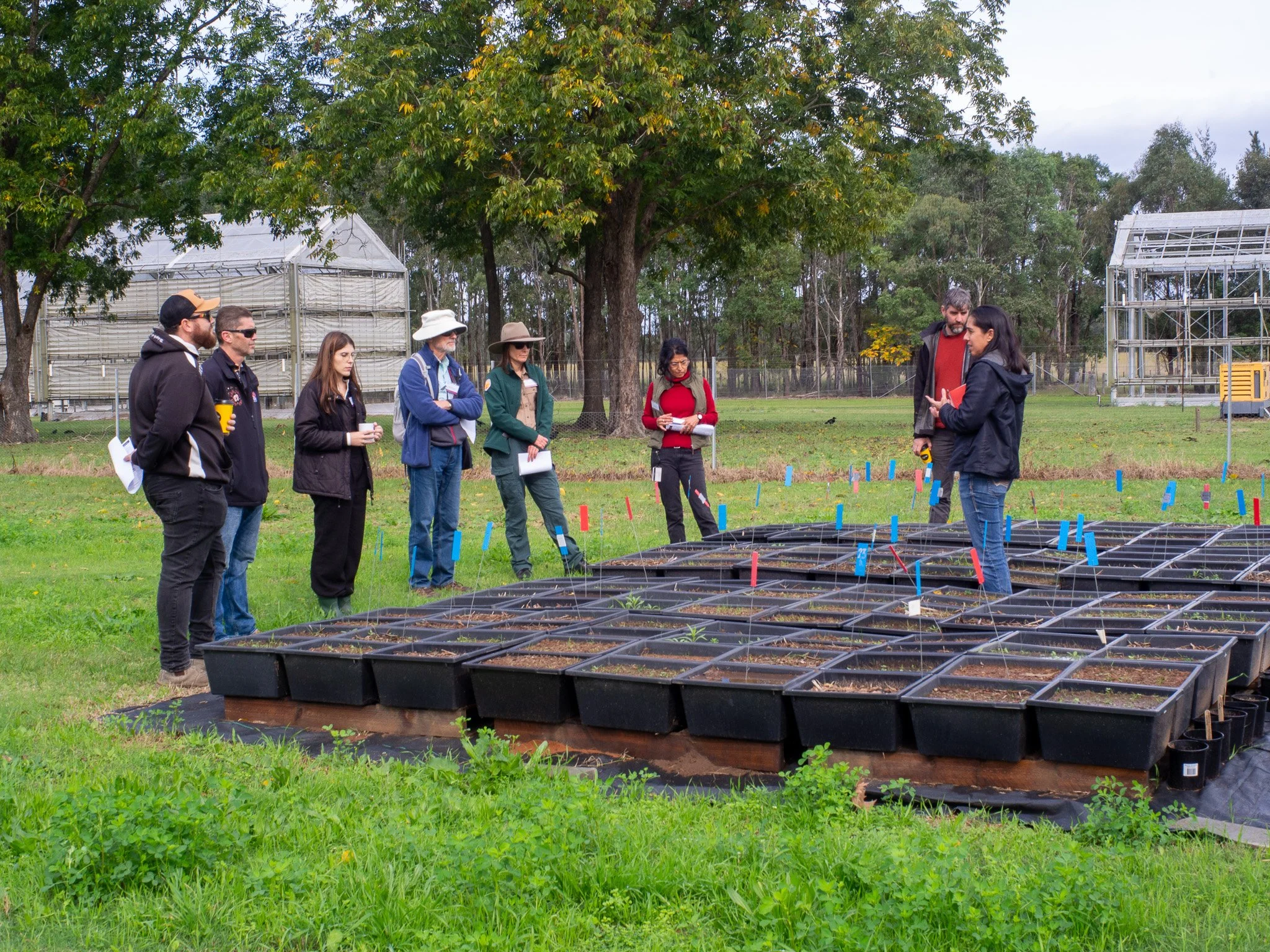
In May 2025, the Cumberland Plain Research Program hosted a full-day Restoration Workshop bringing together researchers, First Nations Knowledge Holders, government agencies, and restoration practitioners to explore science-led, Country-informed approaches to restoring threatened ecosystems across the Cumberland Plain.
New research highlights what works - and what doesn’t - in restoring degraded eucalypt woodlands
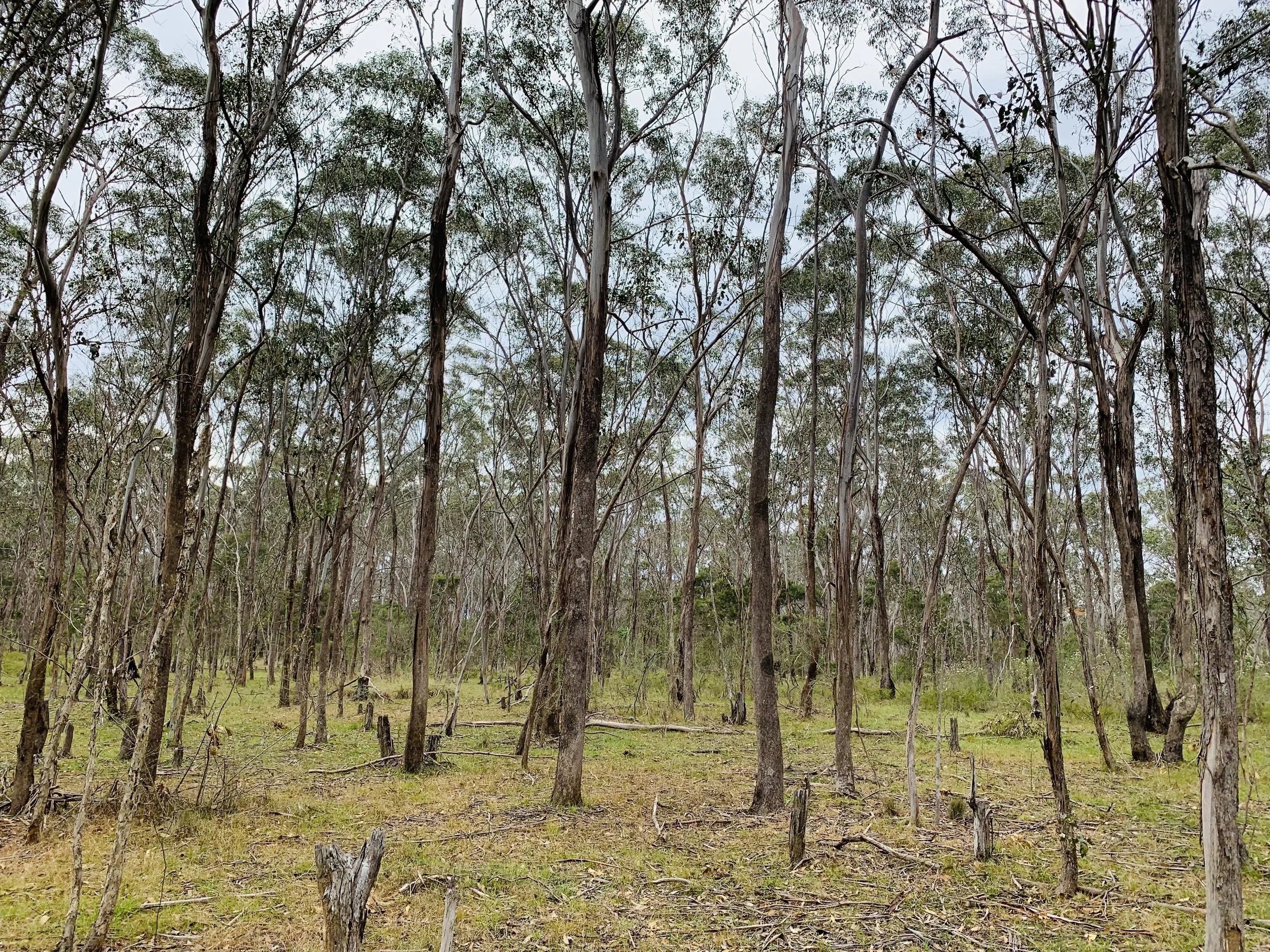
A new meta-analysis led by Dr Michael Franklin identifies which restoration treatments are most effective in degraded eucalypt woodlands, and which widely used interventions may be delivering limited benefits.