Adaptive management can boost conservation outcomes on private land
New research by PhD candidate Emmanuel Ugwu highlights how landholder decisions shape ecological success
Private land plays a vital role in protecting Australia’s threatened ecosystems, but voluntary conservation programs depend on landholders choosing to participate.
New research led by PhD candidate Emmanuel Ugwu from the Hawkesbury Institute for the Environment explores how uncertainties around who enrols, which parcels of land are protected, and for how long can influence the success of private land conservation programs.
The study shows that strong ecological outcomes are not guaranteed by high enrolment alone. In some cases, even a small number of strategically located or well-supported landholders can deliver substantial conservation benefits. In others, programs that meet enrolment targets may still fall short ecologically.
To address this challenge, Emmanuel and colleagues propose applying adaptive management, a flexible, learning-based approach, to the design and delivery of conservation programs. This includes:
engaging landholders early in program design,
refining incentives and support over time, and
monitoring both ecological and social outcomes to guide continuous improvement.
By responding to changing landholder motivations, land conditions, and broader environmental pressures, adaptive management can help ensure that voluntary conservation delivers meaningful, long-lasting benefits, including for ecosystems like the Cumberland Plain Woodland.
Read the full paper in Biological Conservation.
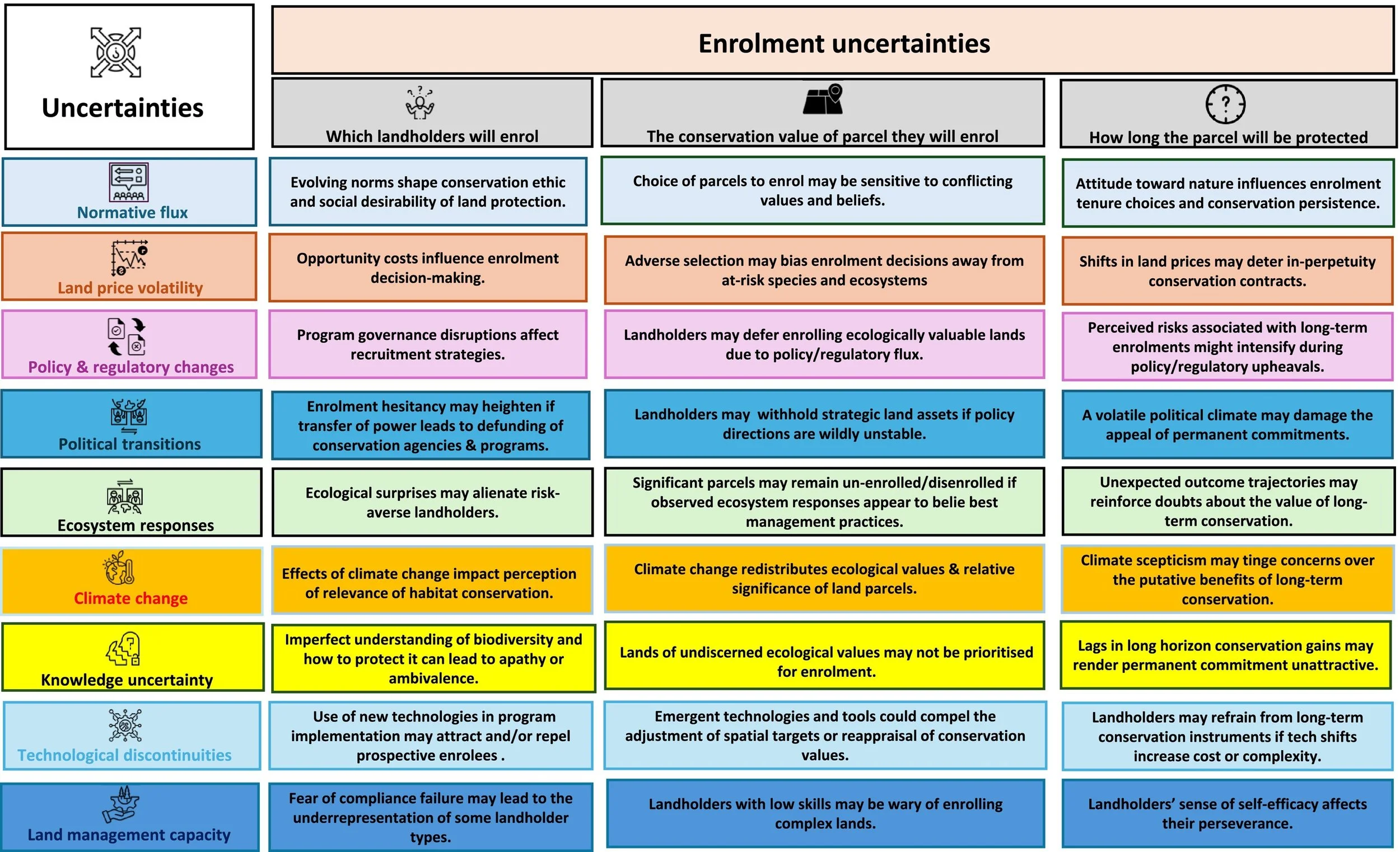
Fig. 1. The influence of social, economic, cultural, and ecological factors on enrolment uncertainties. (Emmanuel Ugwu)