2026 Cumberland Plain Research Symposium
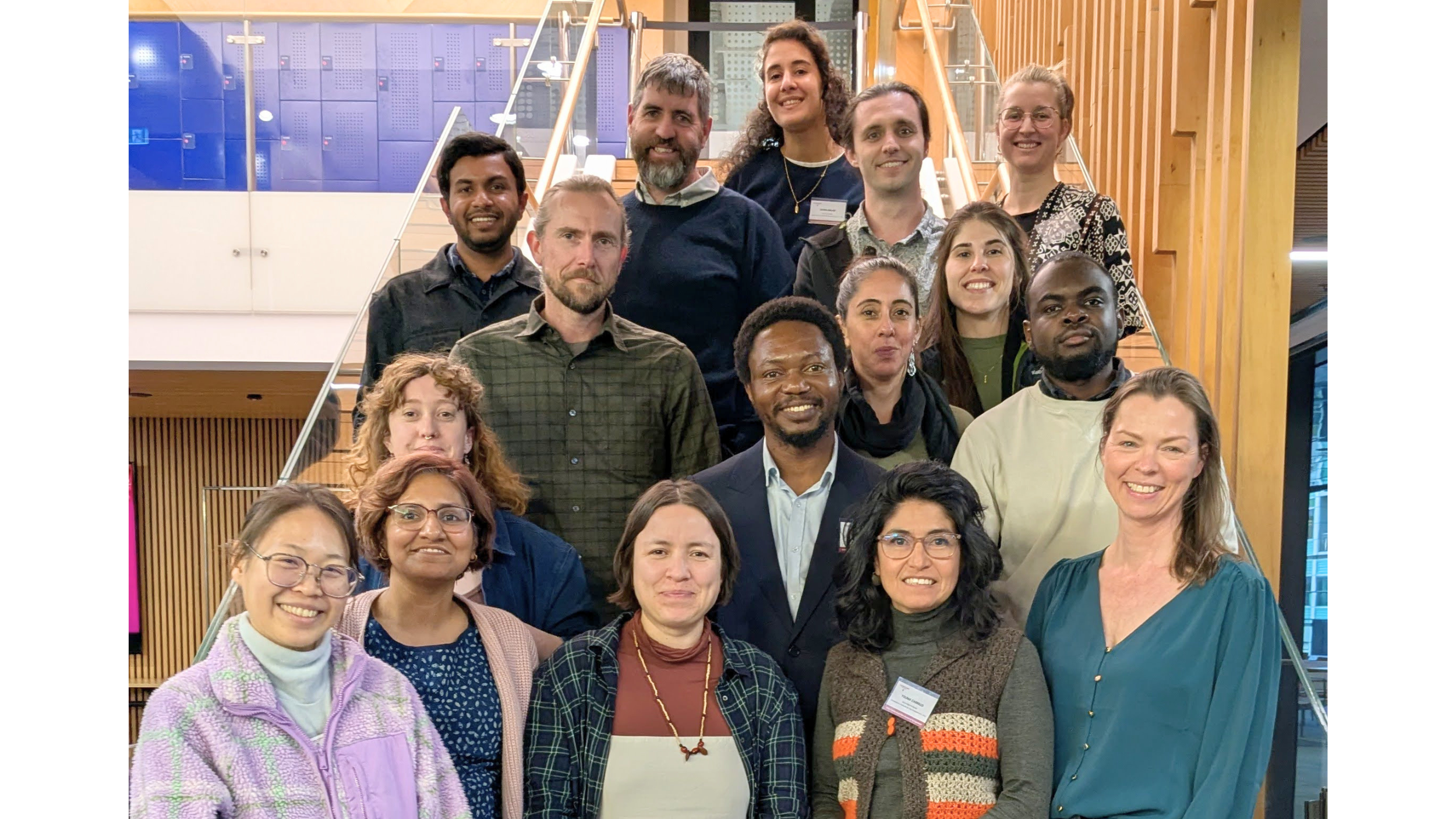
Attendees at the 2026 Cumberland Plain Research Symposium (Image: Vera Brinkel)
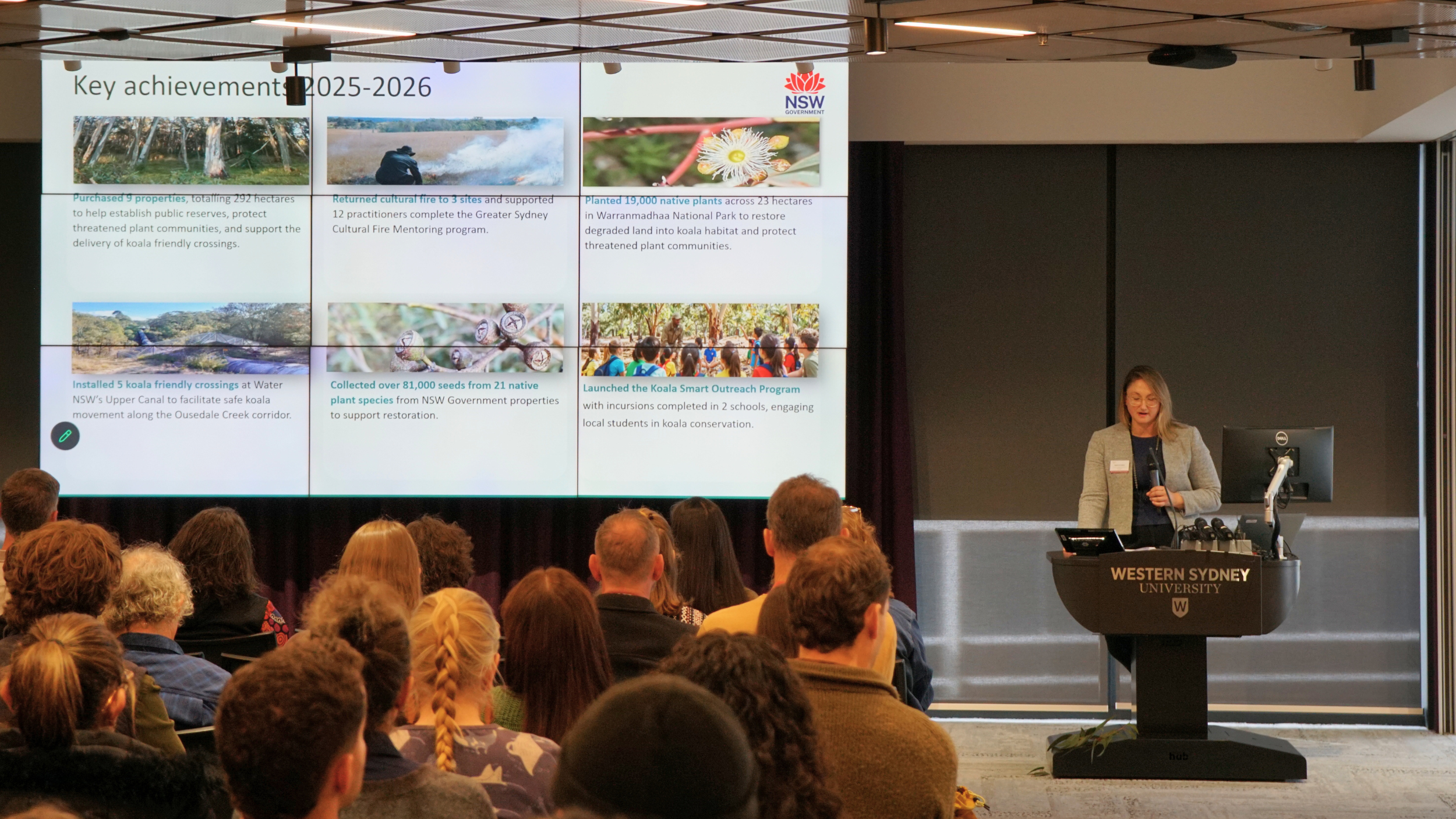
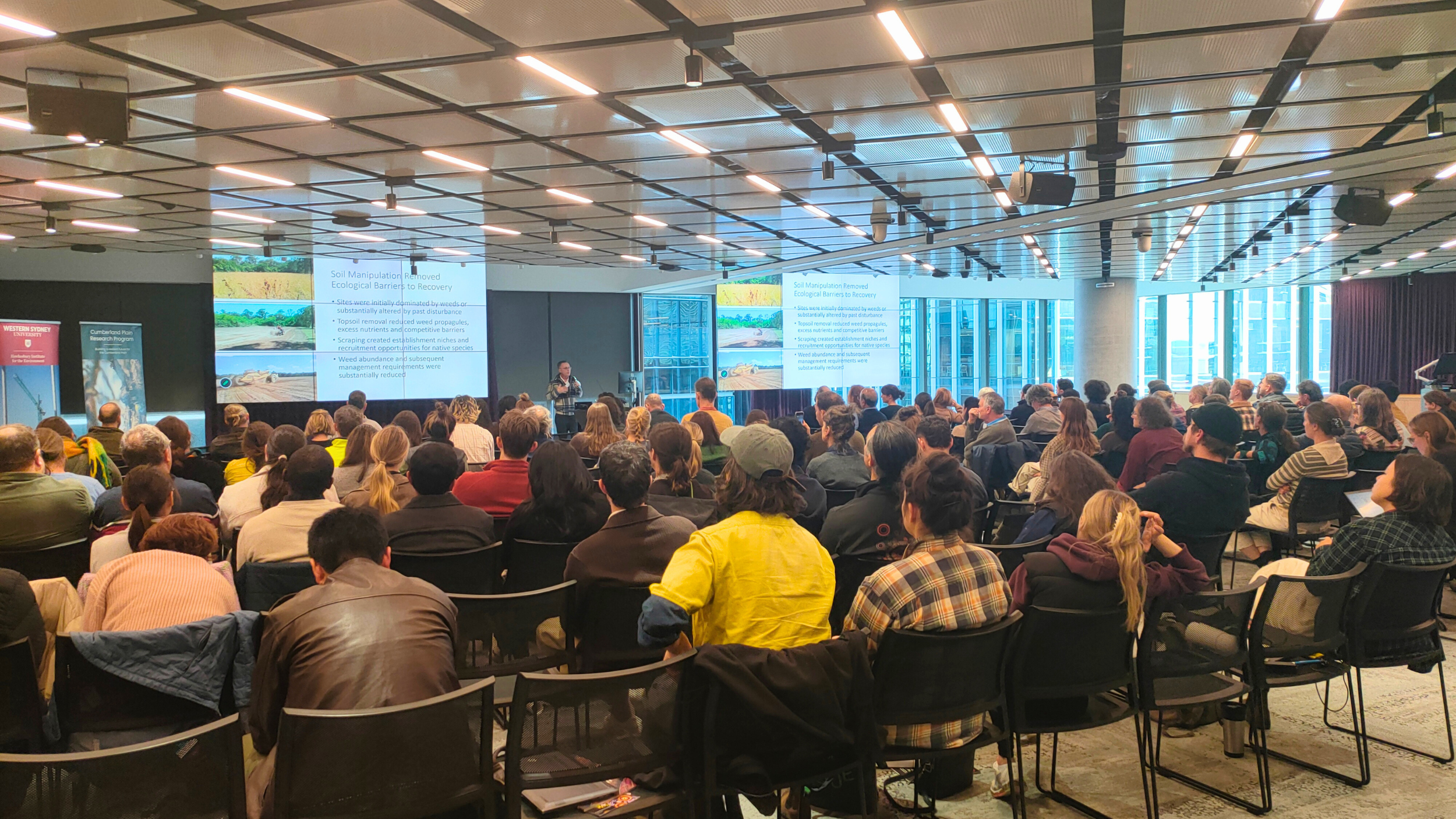
More than 130 researchers, government representatives, land managers, restoration practitioners and community members came together at Western Sydney University’s Parramatta City Campus on 6 August for the 2026 Cumberland Plain Research Symposium.
Now in its third year, the symposium brought together a diverse community working to understand, conserve and restore the Cumberland Plain – creating opportunities to share emerging research, discuss challenges and strengthen connections between research, policy and on-ground practice.
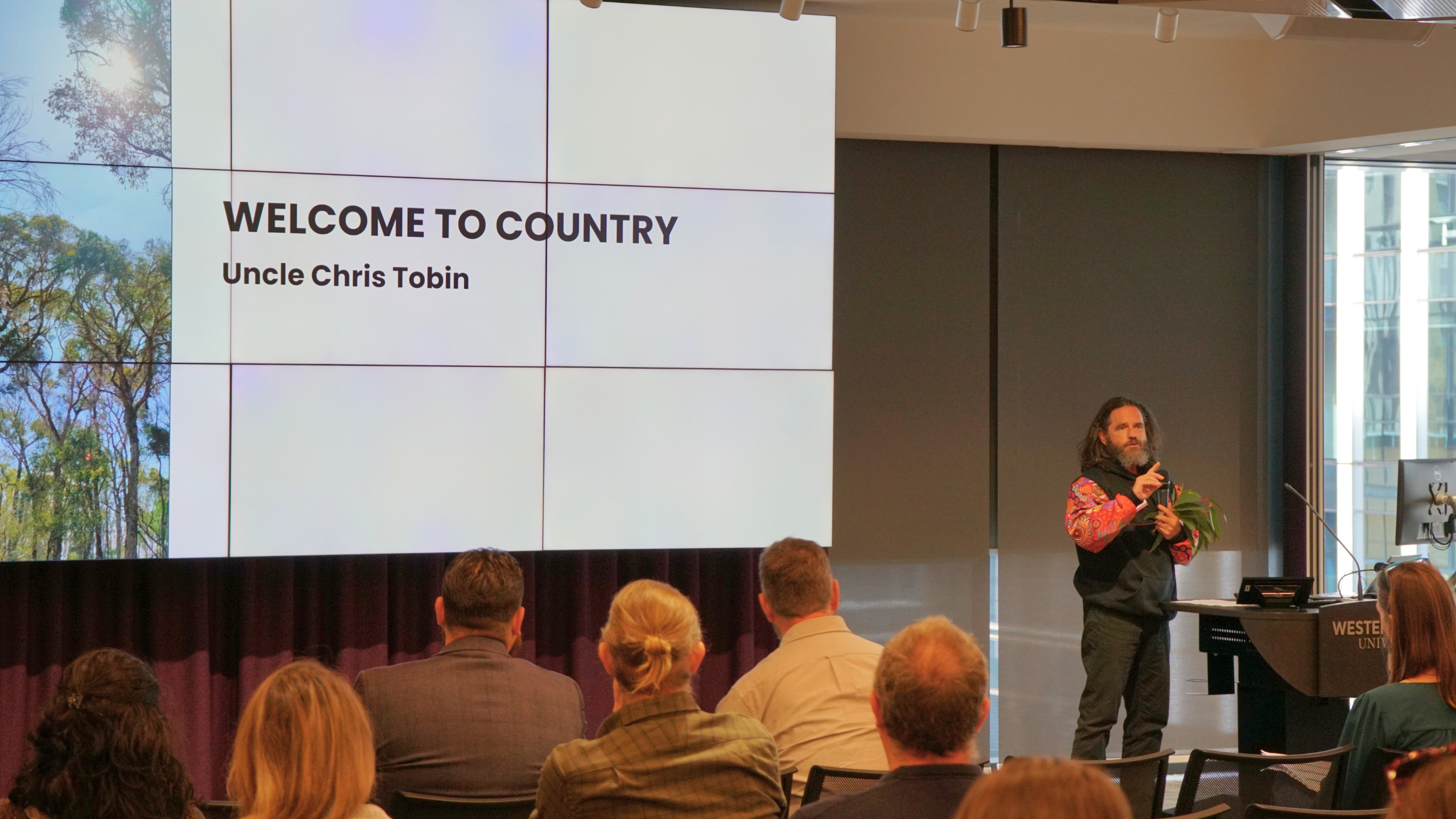
The day began with a Welcome to Country from Dharug Elder Uncle Chris Tobin, who reflected on our collective responsibility to care for Country and the importance of considering past, present and future generations in decisions about the landscape.
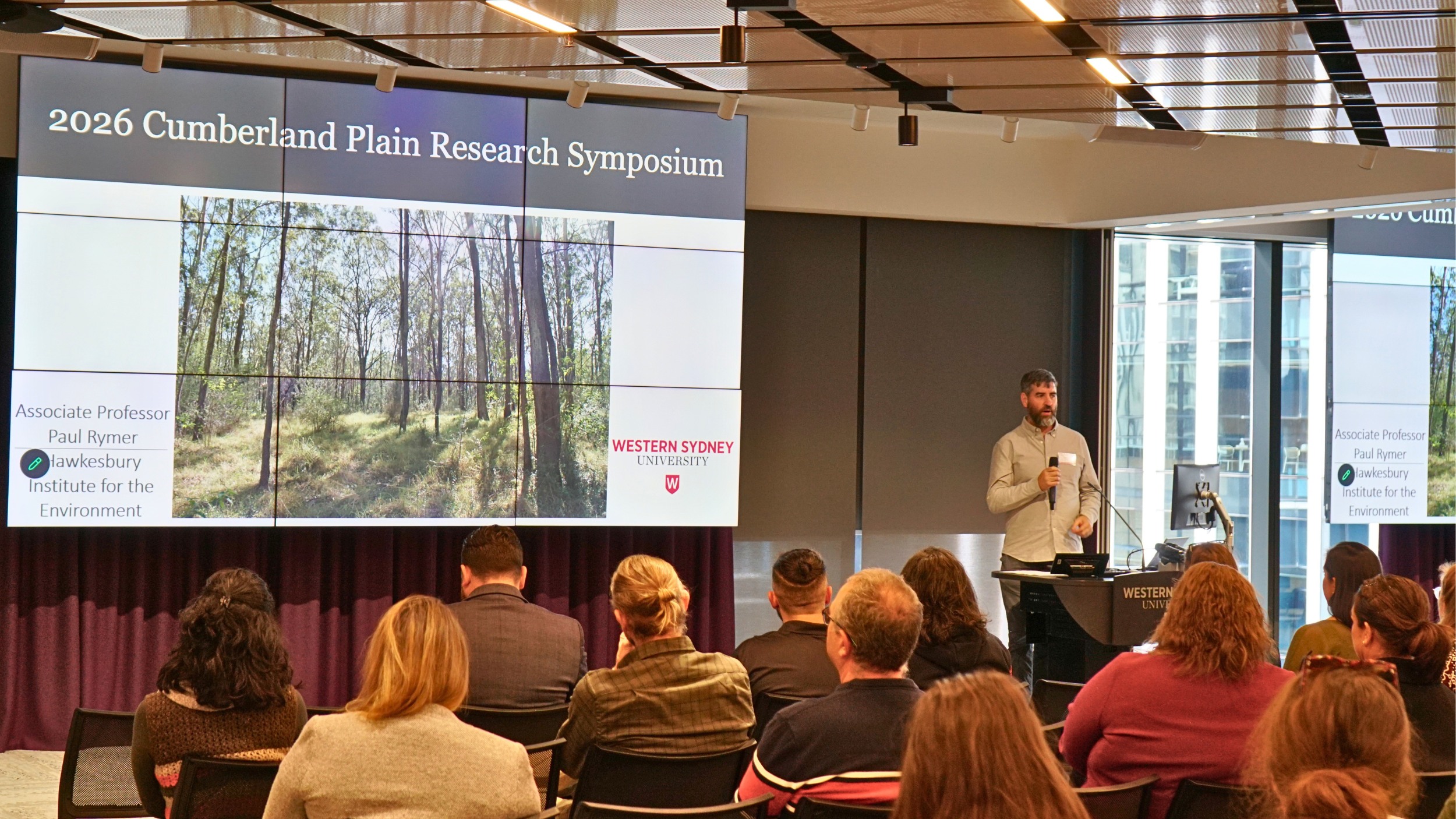
Opening the symposium, Cumberland Plain Research Program lead Associate Professor Paul Rymer reflected on the progress of the program and its increasing focus on translating research into practical outcomes. As research projects mature and findings emerge, working with government, land managers and other end-users to understand how evidence can inform decisions and management is becoming an increasingly important part of the program.
From people to practice
Presentations across the day were organised around three themes: strengthening people, on-ground restoration and translating the evidence.
Speakers shared work spanning Aboriginal knowledge and Cultural Fire, community engagement and biodiversity, ecological restoration, climate resilience, threatened species and ecosystems, and new approaches to monitoring and managing the Cumberland Plain.
Maria Plytarias from the NSW Department of Planning, Housing and Infrastructure provided an update on the Cumberland Plain Conservation Plan and highlighted the role of research in supporting adaptive management and long-term conservation decision-making across Western Sydney. Research is embedded across the Plan’s conservation activities, helping to understand what works, identify emerging risks and improve management over time.
The program also showcased research from across Western Sydney University and partner organisations, including work investigating restoration and Cultural Fire, plant responses to climate change, seed germination and recruitment, biodiversity assessment and practical tools for land managers.
Importantly, the symposium provided an opportunity for the next generation of researchers to share their work. Cumberland Plain Research Program HDR students presented findings from projects now reaching important milestones, demonstrating the growing body of knowledge being generated through the program.
Creating connections
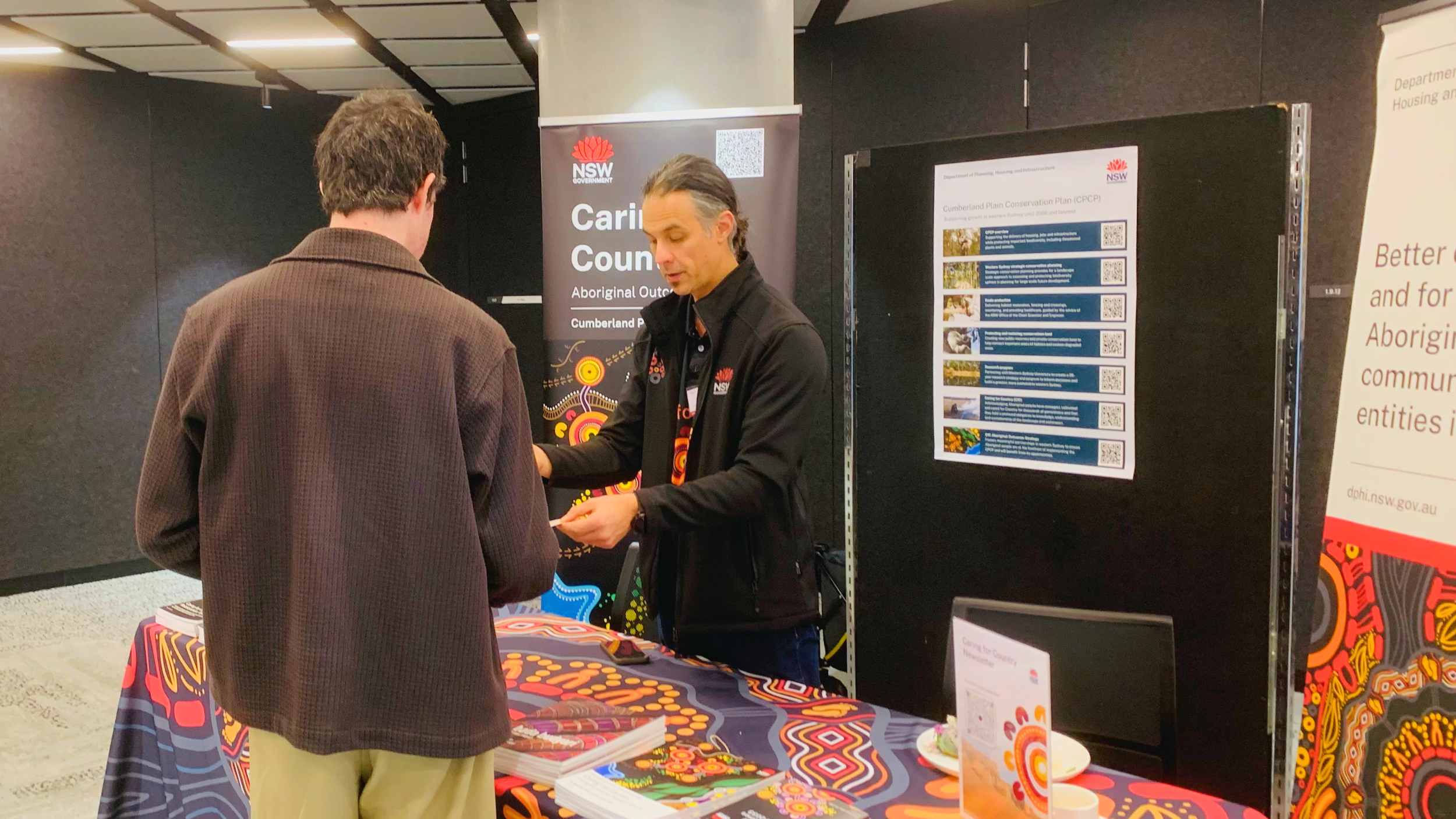
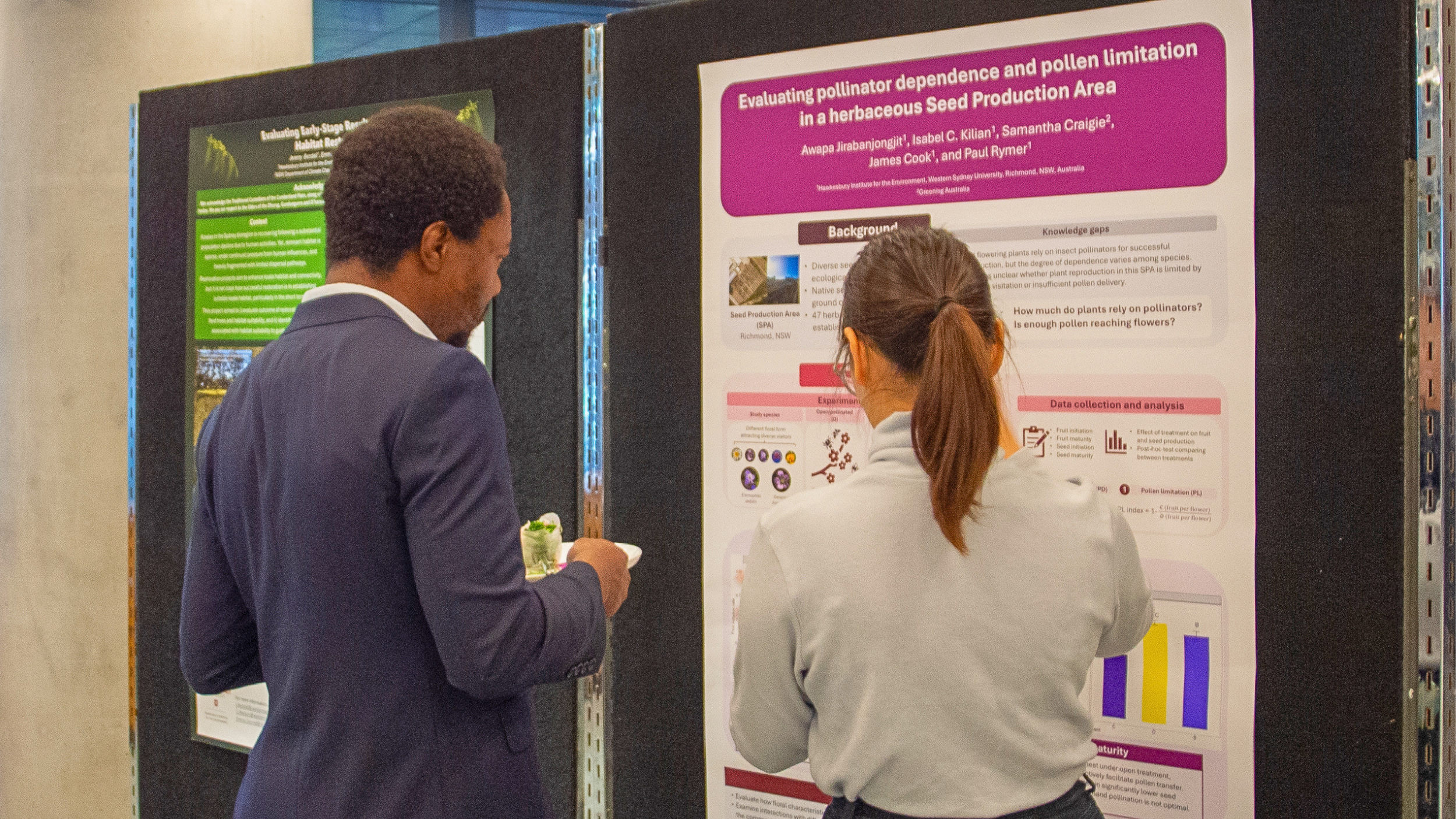
Research presentations were only one part of the day. A dedicated poster session, partner displays and networking breaks created space for researchers and end-users to continue conversations, explore projects in more detail and make new connections.
That exchange is central to the Cumberland Plain Research Program. The challenges facing Western Sydney cannot be addressed by research in isolation. Bringing together state and local government, universities, restoration practitioners, consultants, land managers and community organisations helps ensure research responds to real-world needs – and that emerging knowledge can be translated into action.
The Cumberland Plain Research Program, hosted by the Hawkesbury Institute for the Environment at Western Sydney University, works in partnership with the NSW Department of Planning, Housing and Infrastructure to build the evidence needed to support the long-term conservation, restoration and management of the Cumberland Plain.
Thank you to all our speakers, poster presenters, partners, sponsors and participants who contributed to another successful symposium - and to the many people continuing to work together for the future of the Cumberland Plain.
Explore the Presentations
For those who could not attend, or who would like to revisit key sessions, selected presentation slides from the symposium are now available.
If a presentation you are interested in is not listed, please contact us and we will help connect you with the presenter.